First look at issue number one
The inaugural issue of The Table explores foundations: the ones we inherit, the ones we build, and the ones each generation must examine for itself.
There is a photograph of my mother, family, and friends laughing around my grandmother’s kitchen table in the early 1980s, long before The Table had a name. But the idea was already there.
That kitchen table was the center of town. People gathered close. Stories moved around the room. Memory, food, argument, laughter, and affection shared the same small space. Nobody needed to agree about everything to have a place at the table. Everyone was welcome, and another chair could always be found.
That photograph has become a kind of foundation for us. Not a monument to a perfect past, but evidence of something worth carrying forward.
Foundations
The theme of our inaugural issue is Foundations.
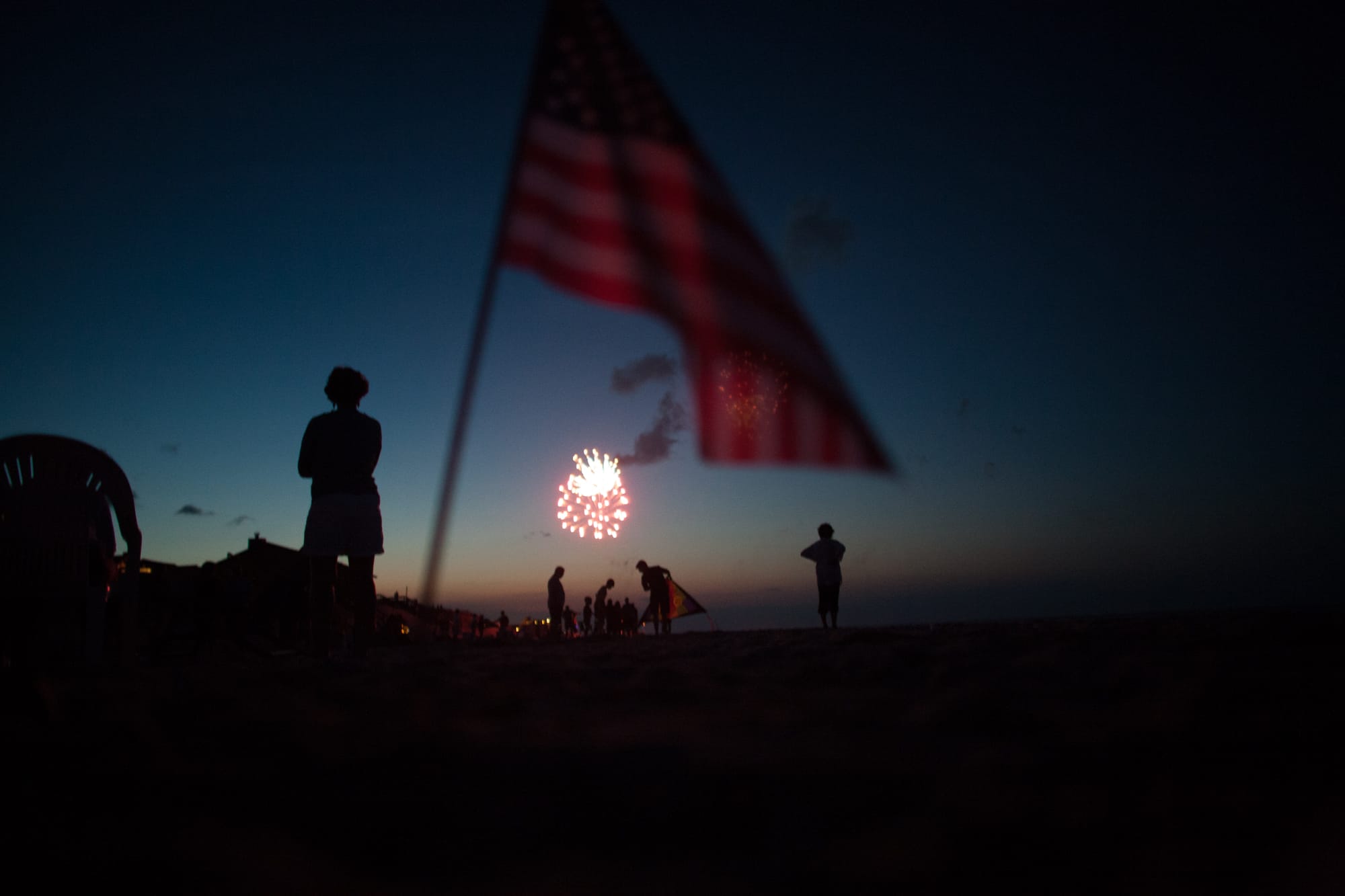
The issue arrives as the country marks the 250th anniversary of the Declaration of Independence, a document written in Virginia whose promises, contradictions, and consequences continue to shape American life.
Anniversaries invite ceremony. They also invite harder questions.
What was built here? Who was permitted to stand on that foundation? Whose labor, land, knowledge, and freedom were treated as materials for somebody else’s future? Which structures have endured, and which ones must be strengthened, expanded, or reimagined before they can hold all of us?
A foundation is not only something beneath a courthouse, a monument, or a historic house. It can be a family story, a tribal practice, a film set, a forest, a public work of art, a line of poetry, or an idea handed from one generation to the next.
Foundations support us. At their best, they give us the strength to build something worthy of pride and generous enough to outlast us. Even when the stories beneath them carry difficult truths, examining those foundations can reveal possibility: the chance to repair what has been damaged, preserve what still matters, and build toward a more hopeful future.
Building worlds
We will feature the extraordinary creative lives of Jack Fisk and Ruth De Jong, Virginia-born production designers whose work has helped build the physical and emotional worlds of American film.
A movie set must persuade us that a story existed before the camera arrived. Walls are aged. Rooms acquire memory. A road, field, kitchen, or town becomes the foundation upon which actors, directors, cinematographers, and audiences begin to believe.
Written by Kevin Grant, the feature will consider the quiet architecture behind some of cinema’s most enduring worlds.
It is a story about set design, but also about mentorship, friendship and imagination made physical. Before a story can move us, someone has to build the foundation where it can live.
An unfinished declaration
Historian Jane Kamensky, president and CEO of Thomas Jefferson’s Monticello, will contribute an essay reflecting on the Declaration of Independence at 250.
The anniversary offers more than an opportunity to look backward. It asks what Americans have done with the declaration’s language, where we have failed it, and what responsibility belongs to those who inherit an unfinished democratic experiment.
Knowledge rooted in the land
Writer Holly Butcher Grant and photographer Karen Kasmauski will profile Jessica Phillips, Tribal Environmental Director for the Chickahominy Indian Tribe Eastern Division.
Their story will explore food forests, environmental stewardship, and Indigenous knowledge surrounding food and land.
What do we build upon
What's the difference between a pedestal and a foundation? An essay by The Table Editor, Christopher Tyree and photographs Sanjay Suchak.
Pursuit of Happiness
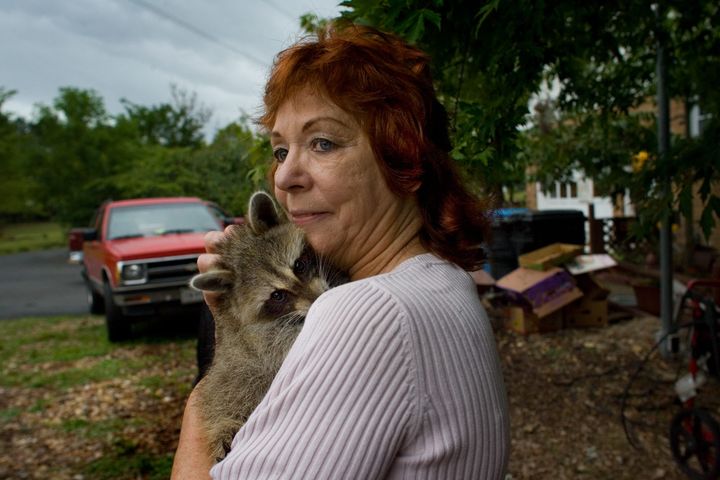
When Jefferson wrote the Declaration of Independence 250 years ago he promised that the new country would off the pursuit of happiness. What he meant then isn't exactly how we interpret it today. We go on a journey across the state asking Virginians what it means to them and how they are pursuing happiness today.
One square mile at a time
Our recurring feature One Square Mile will examine daily life within a single square mile of Virginia.
One small piece of the Commonwealth can contain nearly everything: old boundaries and new arrivals, labor and leisure, private memory and public change. By looking closely at one place, we can begin to understand forces that are easy to miss from a distance.
One Square Mile will return in future issues, moving through different regions and communities. Each installment will serve as a visual and narrative record of a place at a particular moment in its life.
A story built from scraps
Virginia artist Sam Hundley, known for transforming discarded materials into art, will create a serialized children’s story for The Table.
The project belongs naturally in an issue about foundations. Children build worlds from whatever is within reach. Hundley does something similar with scrap, finding character, humor, and possibility in objects other people have finished with.
The story will unfold across multiple issues, giving younger readers something of their own to anticipate while offering adults another reason to linger.
A table meant for everyone should make room for children, wonder, and a little mischief.
Poetry and the next generation
Issue One will include poetry by Mattie Quesenberry Smith, a Virginia poet, professor, writer, and community facilitator whose work moves between science, language, place, and human connection.
We are also developing a recurring department created by Virginians age 25 and younger.
Its first contributor will be Landon Shackleford, a rising senior at James Madison University and a gifted young photographer.
This department will not ask young Virginians merely to comment on the world built by older generations. It will give them room to document the Commonwealth they already inhabit, question the foundations they have inherited, and show us what they are building in response.
The department does not have a name yet. That feels appropriate. Some things deserve to grow into their names.
A magazine made to be held
The Table is being made slowly and deliberately.
Issue One will bring together history, film, land, environmental knowledge, public memory, literature, photography, poetry, childhood, and the voices of a rising generation.
These are not separate subjects placed beside one another by accident. Each asks what supports a life, a community, an art form, or a democracy.
What do we stand upon here in the commonwealth?
What deserves preservation?
What foundations must be repaired?
And what are we responsible for building next?
Pull up a chair
An independent magazine begins as an act of belief.
Writers, photographers, editors, artists, advertisers, donors, and subscribers decide that careful work still matters. They decide that Virginia’s stories deserve ambition. They decide that a place becomes stronger when its people can see one another more clearly.
By subscribing now, you are helping us build Issue One. You are supporting the reporting, photography, editing, design, printing, and production required to make a magazine worthy of being held, read, shared, and kept.
The foundation is being laid.
Pull up a chair.
If you would like to help fund the reporting, photography, and production of Issue One beyond a subscription, support our work.